Eight Body Language Habits That Make You Look More Elegant and Confident
Some women walk into a room and everyone feels their presence without a word being said. It is not always about clothes or beauty. It comes from how they carry themselves. The eight small shifts below, covering how you stand, move and hold eye contact, can make you look more elegant and composed without changing your wardrobe or your personality.
The Two-Second Entry Pause
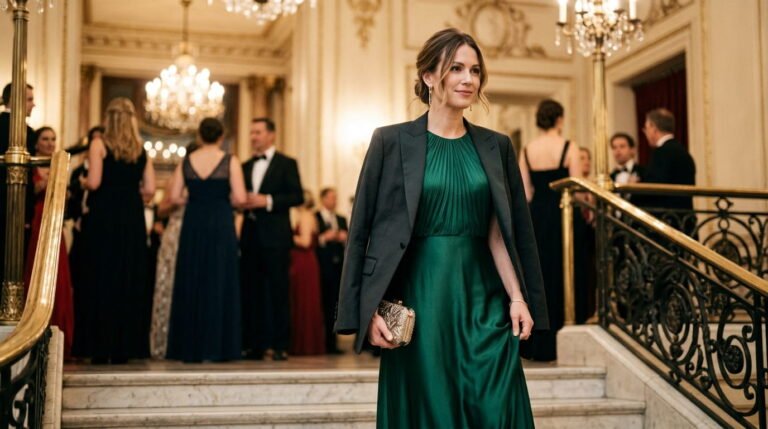
Most people rush into a room, look down, start speaking right away or shrink slightly as if apologizing for taking up space. Elegant presence does the opposite. When you enter a dinner, a meeting, a small gathering or even a cafe, pause for two seconds. Let your feet fully stop, lift your gaze gently and take in the room before the room takes you in.
That moment of stillness shows comfort with being seen. It tells people you are grounded, aware and not rushed. Keep it soft, with relaxed shoulders, a level chin and a calm expression. When you then start walking or greeting someone, your movements feel intentional instead of reactive.
Slowing Down Your Movements
A key difference between confident presence and nervous energy is the pace of movement. When we feel anxious or unsure, the body tends to speed up without us noticing. We gesture quickly, shift our weight often and cross a room faster than necessary. Moving slightly slower than the pace around you creates a different impression, because the movements feel more intentional and controlled, and that reads as confidence.
This does not mean moving dramatically slowly or performing elegance. It means being a little more deliberate when reaching for a glass, turning toward someone who is speaking or walking across the room. When one person moves with a calm pace, others nearby often slow down too.
Open Posture
Body language researchers talk about open and closed posture. Closed posture happens when we make ourselves smaller, such as crossing our arms tightly, hunching forward or folding inward. We usually do it without realizing, especially in unfamiliar situations, and people often read it as uncertainty or nervousness even when that is not what we mean.
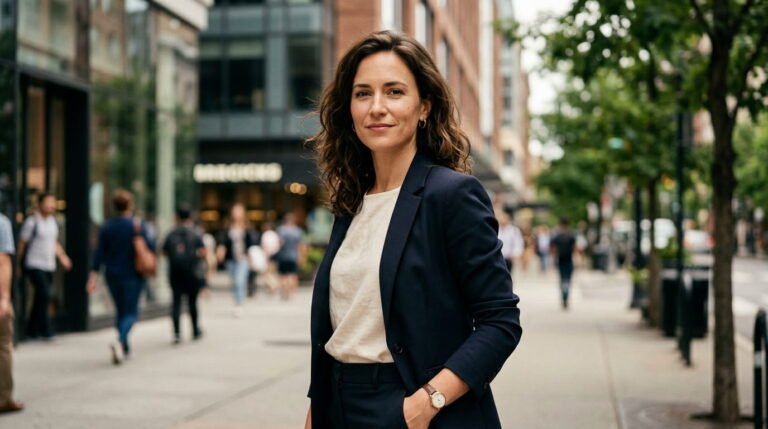
Open posture means staying relaxed, with shoulders gently back, arms resting naturally instead of tightly crossed and your torso facing the person you are speaking with. When sitting, rest your hands lightly in your lap or on the table. When standing, let your shoulders settle back and your posture lengthen slightly. The goal is not to take up as much space as possible, only to avoid shrinking yourself, and it should never feel rigid or overly formal.
Giving Your Hands a Quiet Anchor
Nervous energy often shows up first in the hands, through fidgeting with a sleeve, touching your hair repeatedly or adjusting your bag every few seconds. When the hands have nowhere to rest, the body starts searching for something to do.
The fix is to give them a quiet anchor. When standing, lightly rest one hand on your bag, a glass or the back of a chair. When sitting, let your hands rest loosely in your lap or gently on the table, not clasped tightly and not constantly moving. The aim is not to freeze, only to remove small repetitive gestures that signal nervousness. Once your hands settle, the rest of your body tends to slow down too.
Standing and Sitting Naturally
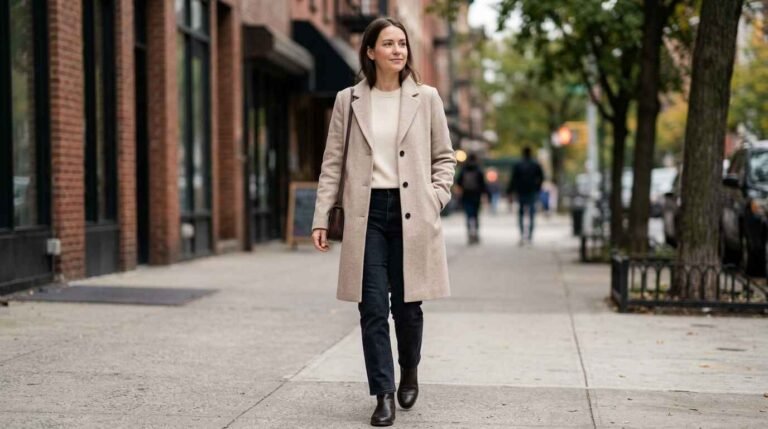
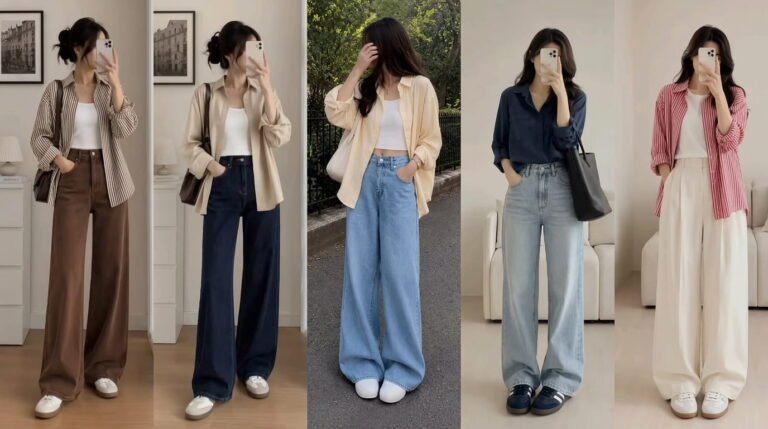
Many people find it stressful to know what to do with their arms or how to stand. The goal is not to pose perfectly but to look effortless yet composed. When standing, place one foot slightly in front of the other instead of standing flat. Rather than letting your arms hang stiffly, put one hand in a pocket, hold your bag softly in one hand or rest a hand lightly at your side. Gently bringing your fingers together, as if adjusting a ring, can add a natural, candid feel, and your shoulders should stay relaxed and slightly back.
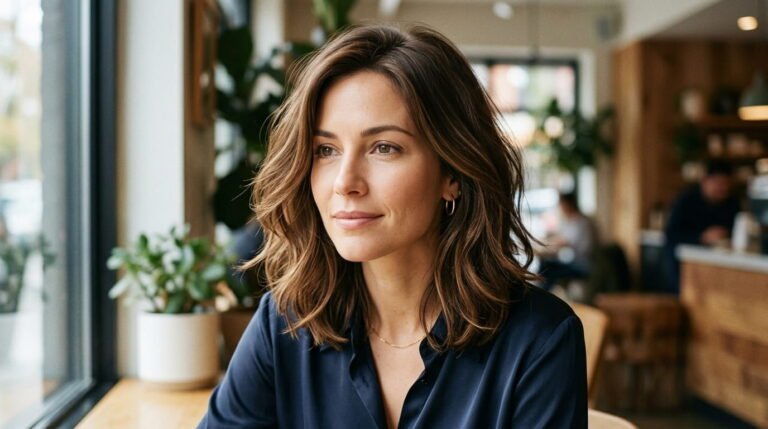
For sitting, rest one arm softly on a chair or cushion, let a hand rest near your chin or angle your body slightly instead of facing straight ahead. Crossing your legs or shifting your weight can also help. In photos, a soft gaze or looking slightly away often feels more natural than staring at the camera. The most elegant photos rarely look posed, because they look comfortable and unforced.
Letting Reactions Settle
In conversation, our reactions show how comfortable we feel. When something surprising or exciting happens, many people react instantly by laughing loudly, speaking over the other person or responding before the moment has landed. Enthusiasm is wonderful, but reacting too fast can make us look nervous or rushed.
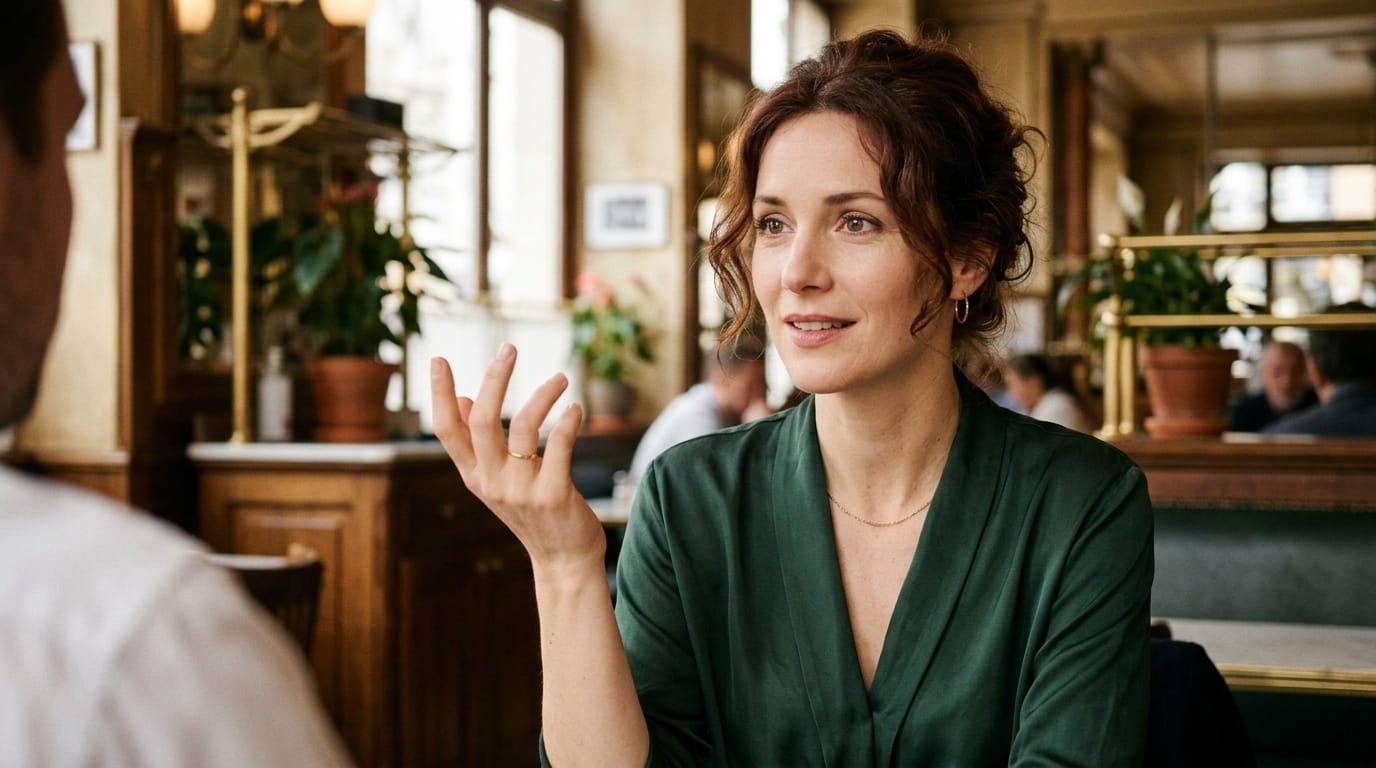
Elegant presence keeps the warmth and personality while allowing a moment for the reaction to settle. A small smile, a gentle nod or a soft “that’s lovely” before you continue makes the exchange feel calm and attentive. Your reactions feel more genuine, and the conversation flows more smoothly. You are still expressive and engaged, but responding from ease instead of impulse.
Ending a Conversation Gracefully
The last detail that often leaves the strongest impression is how you end a conversation. Many people worry about interrupting or slowly drift away without closing the interaction. It is perfectly natural to end a conversation when the moment feels right.
Make gentle eye contact, offer a small smile and say something like “It was really lovely speaking with you.” Then turn calmly and continue on your way. You do not need a long explanation or a dramatic exit. People often remember the last few seconds of an interaction more than anything else, so a warm, clear ending leaves a quiet, confident impression.
Presence is about how you enter a room and also how gracefully you leave it. A simple way to start is to choose one habit, such as the two-second pause at the door, and practice it in your next few outings before adding the others.